Introduction
Joint pain is a common problem for many people today. Often, it affects the knees, hips, or shoulders. Because of this, joint replacement surgeries are on the rise. However, before you consider joint replacement surgery, it is wise to explore Ayurvedic ortho care. Many people now look for natural alternatives to joint replacement. Ayurveda offers holistic joint care that may help manage pain and improve movement.
What Is Ayurvedic Ortho Care?
Ayurvedic ortho care is a branch of Ayurveda that focuses on bone and joint health. Ayurveda is an ancient Indian system of medicine. It uses natural methods to balance the body and mind. In ortho care, Ayurveda aims to reduce pain, swelling, and stiffness. It also works to improve joint function without surgery. Many clinics now offer Ayurvedic ortho care in cities across India and worldwide.
Key Ayurvedic Approaches for Joint Health
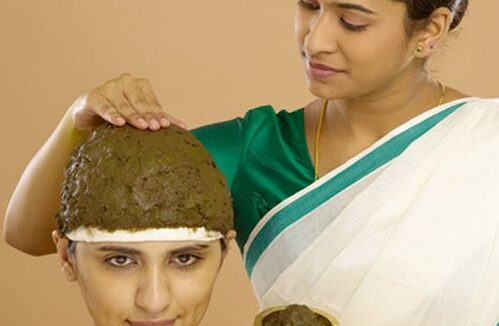
Ayurveda uses several methods to care for joints. These include:Herbal Remedies: Plants like Ashwagandha, Shallaki, and Guggulu help reduce pain and swelling.Therapies: Treatments such as Abhyanga (oil massage), Panchakarma (detox), and Janu Basti (knee therapy) support joint health.Diet: Eating warm, easy-to-digest foods and avoiding processed items can help reduce joint problems.Exercise: Gentle yoga and stretching keep joints flexible and strong.
In addition, Ayurvedic doctors use pulse reading and body type analysis to find the root cause of joint pain. This helps them create a plan that fits each person.
Comparing Ayurveda and Joint Replacement Surgery
Both Ayurveda and surgery aim to improve joint health. However, their methods and results differ. For example, Ayurveda uses natural treatments and focuses on the whole body. Surgery, on the other hand, replaces the damaged joint with an artificial one.Ayurveda: Non-invasive, uses herbs and therapies, fewer side effects, gradual results.Surgery: Invasive, quick pain relief, risk of infection, longer recovery time.
While surgery may be needed in severe cases, Ayurveda can often help delay or avoid it. Many people try Ayurvedic treatment for joint pain before choosing surgery.
Benefits and Limitations of Ayurvedic Treatments
Ayurvedic ortho care offers many benefits. For instance, it uses natural ingredients and has fewer side effects. It also improves overall health and well-being. However, there are some limits. Ayurveda may not work as fast as surgery. It may not help in cases of severe joint damage or deformity.Safe for most peopleFocuses on root causesImproves quality of lifeMay not replace surgery in advanced cases
Therefore, it is important to talk to a qualified doctor before starting any treatment.
When to Consider Surgery: Ayurvedic Perspective
Ayurveda suggests trying natural treatments first. But sometimes, surgery is the best choice. For example, if joint pain is severe and does not improve, or if daily life is affected, surgery may be needed. Also, if there is major joint damage, Ayurveda may not be enough. In such cases, doctors may suggest joint replacement surgery for better results.
Lifestyle and Prevention Tips from Ayurveda
Ayurveda offers simple tips to keep joints healthy. These habits can help prevent joint problems or slow their progress:Eat fresh, warm foods and avoid cold, processed itemsStay active with gentle exercise like yoga or walkingMaintain a healthy weight to reduce joint strainUse warm oil massages to ease stiffnessGet enough rest and manage stress
By following these tips, you can support your joint health naturally.
Conclusion & Call-to-Action
In summary, Ayurvedic ortho care before joint replacement surgery offers natural approaches to help manage joint pain, improve mobility, and support overall joint health. For some individuals, these therapies may help delay or reduce the need for surgery when combined with proper medical guidance. However, understanding the benefits and limitations of each treatment option is important. Always consult a qualified Ayurvedic specialist before making decisions about joint replacement surgery. Consult Dr Vijay for personalized guidance and the right Ayurvedic approach to support your joint health and mobility.