Introduction
Panchakarma is an ancient Ayurveda detox method. It helps your body do a full reset. Many people choose Panchakarma once a year for natural cleansing. This annual body reset removes toxins and restores balance. As a result, you may feel lighter, healthier, and more energetic. In this blog, you will learn how Panchakarma works, its benefits, and what to expect. If you want a fresh start for your health, read on to see if this Ayurveda therapy is right for you.
What Is Panchakarma?
Panchakarma is a core part of Ayurveda, the traditional Indian system of medicine. The word “Panchakarma” means “five actions” in Sanskrit. These five therapies aim to cleanse the body of toxins and restore natural balance. Unlike quick detox diets, Panchakarma uses gentle, natural methods. It focuses on both the body and mind. Because of this, many people use it for a yearly health reset.
How Panchakarma Works: The Five Therapies
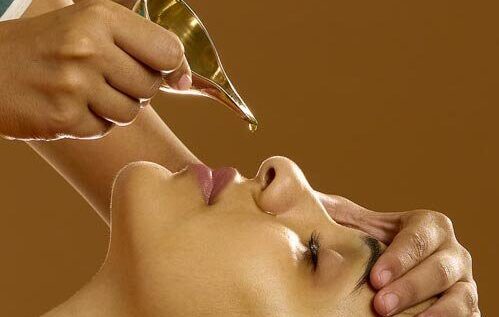
Panchakarma includes five main therapies. Each one targets different parts of the body. Together, they help remove deep-seated toxins. Here are the five therapies:Vamana — Therapeutic vomiting to clear the stomach and chest.Virechana — Gentle purgation to cleanse the intestines.Basti — Herbal enemas to detoxify the colon.Nasya — Nasal cleansing to clear the head and sinuses.Raktamokshana — Bloodletting to remove toxins from the blood (used less often today).
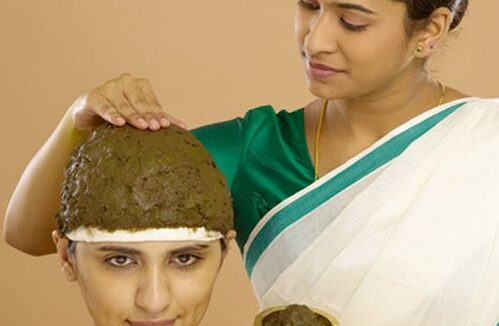
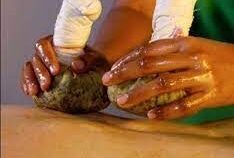
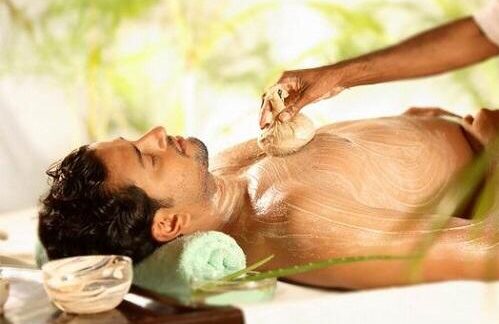
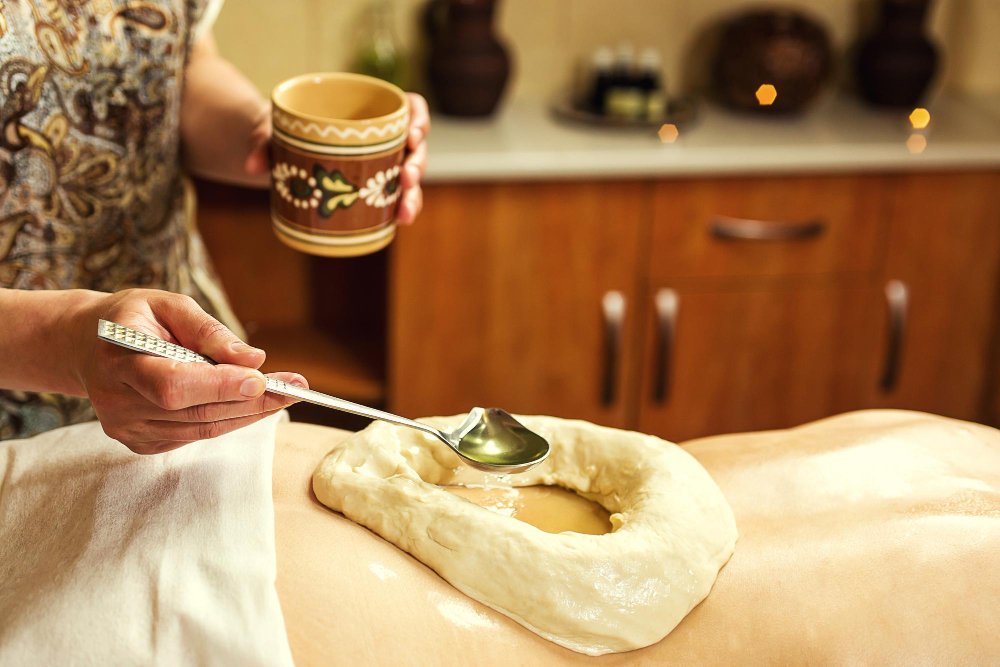
Before these therapies, you may get massages, steam baths, and herbal oils. These steps prepare your body for deeper cleansing. Afterward, you follow a gentle diet to help your body recover.
Benefits of an Annual Panchakarma Reset
Many people report feeling refreshed after Panchakarma. Doing it once a year may offer several benefits. For example:Removes toxins from the bodyImproves digestion and metabolismBoosts energy and mental claritySupports natural immunityReduces stress and promotes relaxationHelps balance body and mind
According to Ayurveda journals, regular Panchakarma may also help manage chronic conditions. However, always consult a qualified Ayurveda specialist before starting.
Who Should Consider Panchakarma?
Panchakarma is suitable for many adults. You may benefit if you:Feel tired or sluggish oftenHave digestive issuesExperience frequent stressWant a natural body cleanseSeek to improve overall wellness
However, some people should avoid Panchakarma. For instance, pregnant women, young children, and those with certain health conditions may not be good candidates. Therefore, always check with a healthcare provider first.
What to Expect During Panchakarma
During Panchakarma, you will follow a set routine. First, you may get gentle massages and herbal oil treatments. Next, you will go through one or more of the five main therapies. Each step is guided by an Ayurveda expert. You may also eat a simple, easy-to-digest diet. Because the process is gentle, most people feel relaxed and cared for. The full program can last from a few days to several weeks, depending on your needs.
Safety, Precautions, and Contraindications
Panchakarma is generally safe when done by trained professionals. Still, there are some precautions. For example, people with serious illnesses, recent surgeries, or certain infections should avoid it. Also, dehydration and fatigue can occur if not monitored. Therefore, always choose a certified Ayurveda clinic. The World Health Organization (WHO) recommends seeking qualified practitioners for traditional therapies.
Tips for Maximizing Panchakarma Results
To get the most from your annual Panchakarma reset, follow these tips:Choose a reputable Ayurveda centerFollow your specialist’s advice before and after therapyEat light, nourishing foodsStay hydratedRest as much as possibleAvoid stress and heavy exercise during the process
After Panchakarma, continue healthy habits to maintain your results. For example, regular exercise, a balanced diet, and stress management can help.
Frequently Asked Questions
Is Panchakarma painful? No, most therapies are gentle and relaxing.How often should I do Panchakarma? Once a year is usually enough for most people.Can I do Panchakarma at home? It is best done under expert supervision for safety and best results.Are there side effects? Mild tiredness or digestive changes can occur, but serious side effects are rare with proper care.How long does Panchakarma take? Programs can last from a few days to several weeks, based on your needs.
For more details, consult a qualified Ayurveda specialist Dr Vijay to see if Panchakarma is right for you.